

Location: United States
Member Since:
Jan. 27, 2010
27 readers have added this author as a 'Favorite Author'.



Derek Prior
Biography
"Derek Prior always produces masterpieces of storytelling, with great characters full of life, relentless plots, and gripping and intense fight scenes." Mitchell Hogan
"Like Bernard Cornwell on 'shrooms!" Dinorah Wilson
Internationally bestselling and award winning author Derek Prior excels in fast-paced, high stakes epic fantasy adventure stories in which good ultimately triumphs, but always at a cost.
Taking familiar fantasy tropes as a point of departure, Prior expands upon them to explore friendship, betrayal, loyalty and heroism in worlds where evil is an ever-present reality, magic is both a curse and a blessing, and characters are tempered in battle.
Winner of best fantasy novel 2012 (The Nameless Dwarf: The Complete Chronicles)
Fantasy Faction semifinalist for the SPFBO 2018 (Ravine of Blood and Shadow)
"Like Bernard Cornwell on 'shrooms!" Dinorah Wilson
Internationally bestselling and award winning author Derek Prior excels in fast-paced, high stakes epic fantasy adventure stories in which good ultimately triumphs, but always at a cost.
Taking familiar fantasy tropes as a point of departure, Prior expands upon them to explore friendship, betrayal, loyalty and heroism in worlds where evil is an ever-present reality, magic is both a curse and a blessing, and characters are tempered in battle.
Winner of best fantasy novel 2012 (The Nameless Dwarf: The Complete Chronicles)
Fantasy Faction semifinalist for the SPFBO 2018 (Ravine of Blood and Shadow)
Smashwords Interview
Where to find Derek Prior online
Website: http://www.derekprior.us
Twitter: @DwarfWriter
Facebook: Facebook profile
Blog: http://www.dpprior.com/blog
Twitter: @DwarfWriter
Facebook: Facebook profile
Blog: http://www.dpprior.com/blog
Where to buy in print
Series
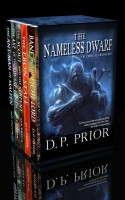
The Nameless Dwarf original novellas
by Derek Prior
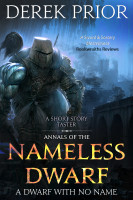 A Dwarf with No Name
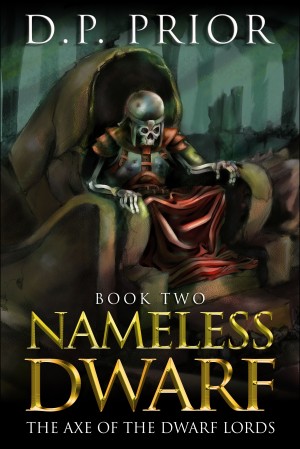
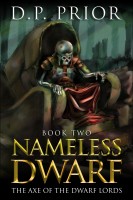 The Axe of the Dwarf Lords
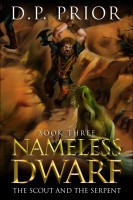 The Scout and the Serpent
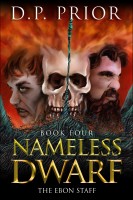 The Ebon Staff
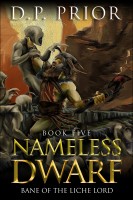 Bane of the Liche Lord
First editions of the 5 novellas that made up the original Nameless Dwarf series.
A Dwarf with No Name
Price:
$0.99 USD.
The Axe of the Dwarf Lords
Price:
$0.99 USD.
The Scout and the Serpent
Price:
$0.99 USD.
The Ebon Staff
Price:
$2.99 USD.
Bane of the Liche Lord
Price:
$3.99 USD.
Books
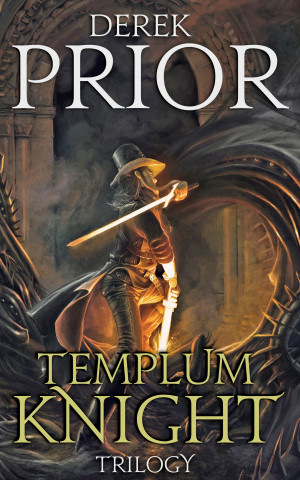
Templum Knight Trilogy
by Derek Prior
Price:
$9.99 USD.
Words: 358,090.
Language:
English.
Published: August 1, 2023
.
Categories:
Fiction » Fantasy » Epic, Fiction » Christian » Fantasy
An exemplary knight and veteran of a horrific battle against the undead armies of the Lich Lord, Deacon Shader must compete for his Order's highest office and attempt to become the Keeper of the Sword of the Archon. Succeed or fail, he plans to desert the Order and become a contemplative monk on the far side of the world. But Shader is not the one making the plans.
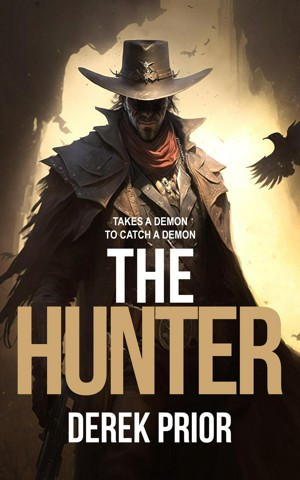
The Hunter
by Derek Prior
Price:
$4.99 USD.
Words: 70,460.
Language:
English.
Published: July 22, 2023
.
Categories:
Fiction » Fantasy » Epic, Fiction » Fantasy » Dark
When a shapeshifting demon crosses the Farfall Mountains and the bodies start piling up, the Senate of Jeridium send their best hunter to track and kill it: the half-demon Jebediah Skayne.
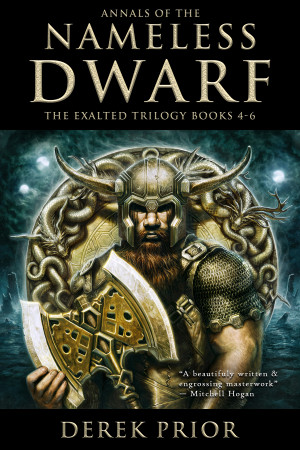
The Exalted Trilogy
by Derek Prior
Price:
$5.99 USD.
Words: 272,150.
Language:
English.
Published: December 15, 2019
.
Categories:
Fiction » Fantasy » Epic, Fiction » Fantasy » Dark
A sprawling epic of redemption, heroism, and friendship in the face of insurmountable evil and an inexorable fate.
"A beautifully written and engrossing masterwork!" (Mitchell Hogan)
Fantasy Faction semifinalist for the SPFBO 2018
Contains Annals of the Nameless Dwarf Books 4-6
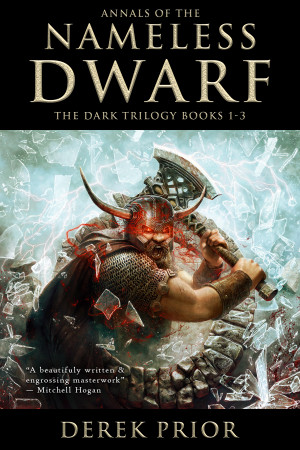
The Dark Trilogy
by Derek Prior
Price:
$5.99 USD.
Words: 221,860.
Language:
English.
Published: December 15, 2019
.
Categories:
Fiction » Fantasy » Epic, Fiction » Fantasy » Dark
A sprawling epic of redemption, heroism, and friendship in the face of insurmountable evil and an inexorable fate.
"A beautifully written and engrossing masterwork!" (Mitchell Hogan)
Fantasy Faction semifinalist for the SPFBO 2018
Contains Annals of the Nameless Dwarf Books 1-3
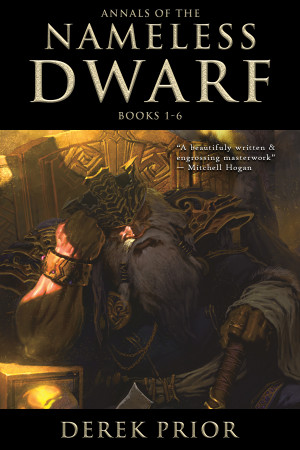
Annals of the Nameless Dwarf
by Derek Prior
Price:
$9.99 USD.
Words: 494,460.
Language:
English.
Published: December 15, 2019
.
Categories:
Fiction » Fantasy » Epic, Fiction » Fantasy » Dark
A sprawling epic of redemption, heroism, and friendship in the face of insurmountable evil and an inexorable fate.
"A beautifully written and engrossing masterwork!" (Mitchell Hogan)
Fantasy Faction semifinalist for the SPFBO 2018
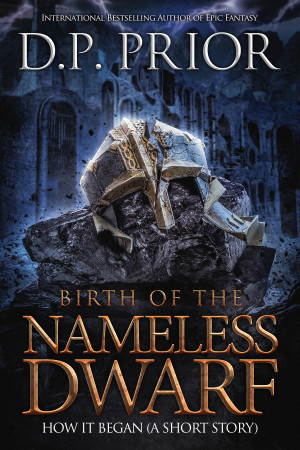
Birth of the Nameless Dwarf
by Derek Prior
Price:
Free!
Words: 1,850.
Language:
English.
Published: April 17, 2018
.
Categories:
Fiction » Fantasy » Epic, Fiction » Fantasy » Short stories
As a storm rages above the ravine city of Arx Gravis, a woman goes into labor. But this is no ordinary woman. She is Yyalla Thane, descended from the dwarf lords of old, and her child will fulfill a prophecy of hope and doom.
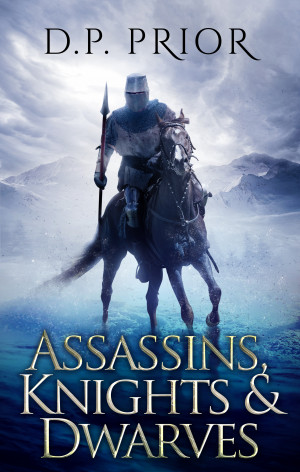
Assassins, Knights, and Dwarves
by Derek Prior
Price:
$4.99 USD.
Words: 248,070.
Language:
English.
Published: February 28, 2018
.
Categories:
Fiction » Fantasy » Epic, Fiction » Fantasy » Short stories
An assassin known as "the Unseen";
A man of prayer who is the deadliest warrior of his generation;
A dwarf with a bloody past, destined to be king.
Eight bestselling Sword and Sorcery novellas, plus a bonus short story of Otto Blightey, Lich Lord of Verusia.
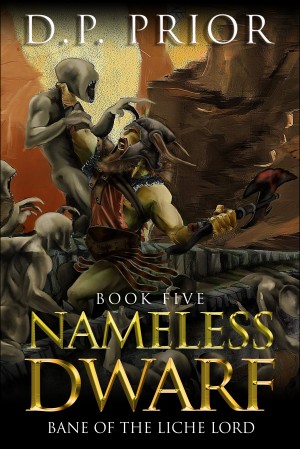
Bane of the Liche Lord
by Derek Prior
Series: The Nameless Dwarf original novellas, Book 5.
Price:
$3.99 USD.
Words: 72,960.
Language:
American English.
Published: April 16, 2016
.
Categories:
Fiction » Fantasy » Epic, Fiction » Fantasy » Dark
All hell has broken loose in the Forest of Tar. Thousands of demonic Feeders consume everything in their path, but top of the menu is dwarf flesh.
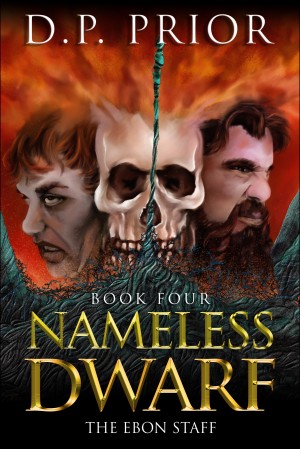
The Ebon Staff
by Derek Prior
Series: The Nameless Dwarf original novellas, Book 4.
Price:
$2.99 USD.
Words: 39,310.
Language:
American English.
Published: April 16, 2016
.
Categories:
Fiction » Fantasy » Epic, Fiction » Fantasy » Short stories
The Lich Lord’s grimoire makes more and more demands, and Silas suspects he no longer has any say in where it is leading him. As his body ails and he grows nostalgic for all he’s left behind, his mind is usurped by visions of a forest of tar, and at its center, wreathed in briars, a staff of deepest ebony.
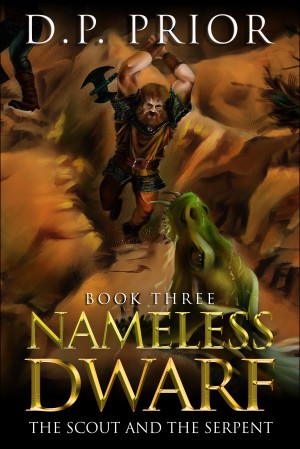
The Scout and the Serpent
by Derek Prior
Series: The Nameless Dwarf original novellas, Book 3.
Price:
$0.99 USD.
Words: 23,950.
Language:
American English.
Published: April 16, 2016
.
Categories:
Fiction » Fantasy » Epic, Fiction » Fantasy » Short stories
When the wolf-men attack and the companions are split up, Nameless and Ilesa find themselves marooned on an island at the center of a newly formed lake.
The Axe of the Dwarf Lords
by Derek Prior
Series: The Nameless Dwarf original novellas, Book 2.
Price:
$0.99 USD.
Words: 22,170.
Language:
American English.
Published: April 16, 2016
.
Categories:
Fiction » Fantasy » Epic, Fiction » Fantasy » Dark
The Nameless Dwarf's ever fragile mood takes a turn for the worse when he discovers a terrible secret at the bottom of the sea—an unstoppable horror that destroyed an entire race, and a mythical axe that brings back the darkest of memories from his recent past.
The Nameless Dwarf
by Derek Prior
Price:
$4.99 USD.
Words: 180,660.
Language:
English.
Published: January 17, 2013
.
Categories:
Fiction » Fantasy » Epic, Fiction » Young adult or teen » Fantasy
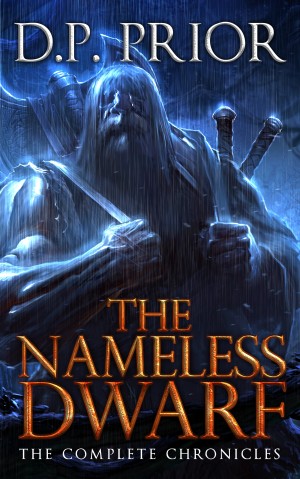
The last hope of the dwarves comes from the unlikeliest of sources: a mythical city beneath the waves, an axe from the age of heroes, and the Nameless Dwarf, in whose veins flows the blood of legends.
(The original 5 novellas collected in a single volume)
A Dwarf with No Name
by Derek Prior
Series: The Nameless Dwarf original novellas, Book 1.
Price:
$0.99 USD.
Words: 21,800.
Language:
English.
Published: December 20, 2010
.
Categories:
Fiction » Fantasy » Epic, Fiction » Young adult or teen » Fantasy
(4.83 from 6 reviews)
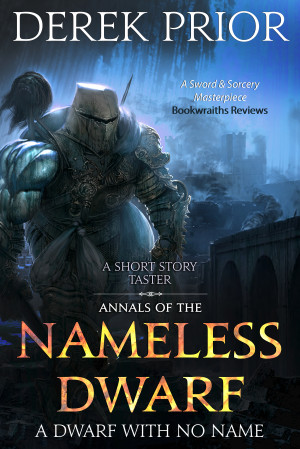
Unable to forgive himself for the massacre of thousands of his own kind under the influence of a cursed black axe, the Nameless Dwarf swears to do one last thing, even if it kills him.
Derek Prior's tag cloud
artifact
artifact theft
assassin
assassin books
assassin epic adventure book
assassin female assassin murder espionage killer thriller mystery hired killer paid assassin psychological thriller
axe throwing
coming of age fantasy
cursed artifacts
cyclops
dark dwarves
dark fantasy
dark magic
dark sorcery
david gemmell
deities
demons sorcery
dungeons and dragons
dwarf city
dwarf king
dwarf stories
dwarf woman
dwarves
elves dwarves
end of days
end of world
fantasy series
fantasy sex
female assasin
free
free ebook
free epic fantasy
free fantasy
free novella
gladius
golem sorcery
guild of assassins
guns and sex
hero journey
heroes and magic
heroic fantasy
heroic quest venegeance
knight romance
legend
legends and curses
lich lords
like tolkien
mad scientist
magic
magic artifact
markus heitz
mother and son
origin of a hero
paladin
post apocalyse
quest
quest action adventure fighting
quest adventure action orcs trolls dwarves dragons elves ogres goblins magic witch fantasy epic
redemption and forgiveness
saga epic
science ficion
seduction
serpent
shape shifter
shapeshifter
sorcery
sorcery books
sorcery dragon
sorcery wizard
succubus demon
sunken city
sword and sorcery
sword sorcery
templar knight
thief
thief fantasy
thieves guild
undead
undead action adventure books
undead lich zombie skeleton army
weird western
werewolf and shapeshifters
wizard story
Smashwords book reviews by Derek Prior
-
The First Dragoneer (2016 Modernized Format Edition)
on Nov. 16, 2010
The First Dragoneer is a brief induction into the world M.R. Mathias has created for his epic novels. The reader is immediately dropped into the midst of a hunting trip – the last such to be enjoyed by childhood friends, Brendley and March. It’s an easy task for the reader: the dialogue is so natural and genuine, the descriptions succinct and yet hitting the mark with exactly the right amount of imagery that it almost reads itself. I started to enjoy the tale from the outset because of this deceptively simple writing style and because so much information (back-story, mise en scene, motivation) was established contextually and without lengthy exposition. The narration blends seamlessly with the characters’ thoughts and feelings, which are never obtrusive. Mathias makes good use of his writer’s palette, taking from his toolbox just what he needs and no more. There is a degree of head hopping but it’s well-controlled and there are only two main POVs so it never gets confusing. Sometimes, early on, I got a little confused with the characters. It was a little hard to tell them apart, but this ultimately emerged as a strength: Bren and March are joined at the hip and this is the story of their parting. Editing is fair. There were one or two malapropisms, some missed apostrophes and some redundant adjectives that weakened otherwise strong lines, but these are few and far between. There were also some minor problems with word repetition which didn’t exactly leap off the page but would add polish if modified. Generally Mathias writes fluid prose that the eye just skips over with ease. He has a knack for finding just the right word for the character and context and is never pretentious. He allows the reader’s imagination to form the images with just the right stimulus (“fist-sized spiders scurried from the noisy brightness...”). Rarely does Mathias overcook his adjectives. He also understands the importance of vernacular and specificity: “and who is gonna race me to the short dock when the krill begin to spawn?” Mathias writes about what he knows: the hunting scenes are easy and lucid, full of appropriate and uncontrived spiel. He’s also good at the small details the evoke all the senses - - the fiery brandy, the crisp air, the food: “March handed Bren a pan full of scrambled grouse eggs he had collected and cooked earlier.” Little things, little details that convey real people, people we can identify with. Lots of outdoor craft – torch making, fire building, construction of a litter (maybe “travois-like device” was a bit too specific but that’s a minor gripe). Ordinary, believable people moving into uncharted waters. Chesterton would have loved this. There’s also a nice use of mythology with the introduction of the white stag and the near “Rhyme of the Ancient Mariner” albatross moment. To his credit, Mathias doesn’t waste this either. He introduces these elements with purpose: the decision over killing or sparing the stag is a critical moment determining the outcome of the story and the vector of the novels that follow. The action sequences in The First Dragoneer were a delight, full of human idiosyncrasies and those odd little accidents that real people are prone to under situations of duress. It’s not just action and characterisation that Mathias is good at wither. There are some stunning descriptions of the landscape that pulled me right into his world: "The rich, dark shades of the green tree tops flowed down the mountainside on their way out into the lower slopes of the valley. The trees thinned into large clumps, only to disappear completely in the valley floor. There, squares and long rectangles of brown, gold and russet took over. Some of the greener fields were speckled with the black and brown dots that were livestock, but most were empty of life save for the rows and rows of crops. The silvery-blue thread of the Prominence River wound its way through the pastures and crop-fields, splitting the valley into two misshape[n] halves." The sense of place is further enhanced by the characters interacting with their environment – the hunting, the descent to the cavern, the practical solutions they need to come up with for their survival. I thought the ending was a little hurried. There was a great description of the dragon’s approach but then all its knowledge is conveyed to March instantaneously, thus short-changing the reader. There’s also a very sharp change of gear at this stage – and perhaps there needs to be. We are about to be jolted from one world to the next. The familiar hunting grounds of Bren and March are about to give way to the world of the Dragoneers and their war against the coming Confliction. The First Dragoneers is by no means perfect, but it’s a very strong introduction to the author’s oeuvre and a thoroughly enjoyable read. A bit of spit and polish and it’s as good as they get. As to the little matter of rating, I don’t think a book has to be perfect to earn 5 stars (if that was the case I’d never dish any out). What it does have to do is engage me and make me want to read more. Mathias does this and does it well.