

Member Since:
July 15, 2013
1 reader has added this author as a 'Favorite Author'.

Robby Charters
Biography
I live with my wife and my son, sometimes in Thailand where I was born and my wife is from, sometimes in Ireland where my dad is from. In Thailand, I taught English as a second language. Here in Ireland, I work from home, turning people's manuscripts into e-books. Wherever I am, I write.
Where to find Robby Charters online
Website: http://www.RobbyCharters.co.uk
Twitter: @robbycharters
Facebook: Facebook profile
Blog: http://BobCharters.BlogSpot.com
Twitter: @robbycharters
Facebook: Facebook profile
Blog: http://BobCharters.BlogSpot.com
Where to buy in print
Books
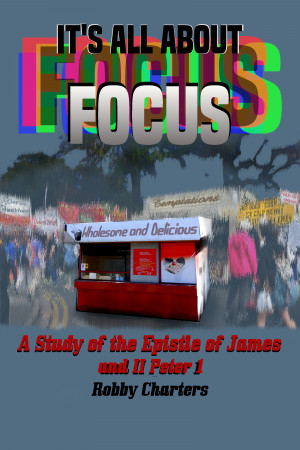
It's All about Focus: A study of the Epistle of James
by Robby Charters
Price:
Free!
Words: 24,500.
Language:
English.
Published: November 18, 2023
by
Robby's eBook Formtting.
Categories:
Nonfiction » Religion & Spirituality » Biblical Studies / New Testament, Nonfiction » Religion & Spirituality » Biblical Studies / Bible Study Guides
To many, James is a difficult work to swallow. It’s the favourite source material of preachers of harsh sermons, who like to rebuke. It seems to fly in the face of everything Paul says about faith and salvation. But if we read it carefully, we find it's not about trying to make our actions match our faith, nor even about trying to control the tongue. It's about much more - FOCUS.
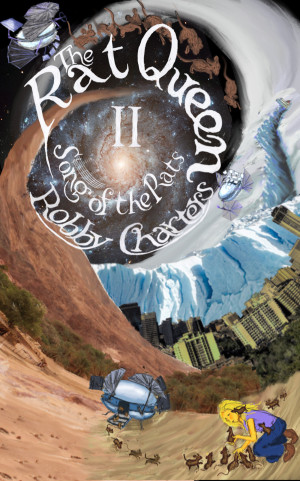
The Rat Queen II: The Song of the Rats
by Robby Charters
Price:
$2.99 USD.
Words: 38,750.
Language:
British English.
Published: June 17, 2023
by
Robby's eBook Formtting.
Categories:
Fiction » Science fiction » Space opera, Fiction » Science fiction » Utopias & dystopias
Sequel to The Rat Queen: Humans and Rats from the ill fated planet of Malvern arrive on Old Earth, and find it only a shadow of its old self, due to not only an EMP that cut them off from the rest of the galaxy, but also another Ice Age.They come with the tools to help, but standing in their way is human nature, and the ill intent of certain Galactic beings.
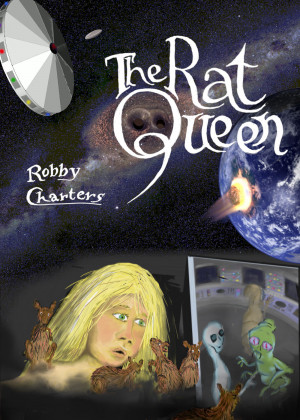
The Rat Queen
by Robby Charters
Price:
$2.99 USD.
Words: 28,910.
Language:
British English.
Published: January 8, 2023
by
Robby's eBook Formtting.
Categories:
Fiction » Science fiction » Space opera, Fiction » Science fiction » Utopias & dystopias
A feral child - a refugee from a doomed planet - now living with the rats on a space station run by hostile aliens. She’s the key to human survival
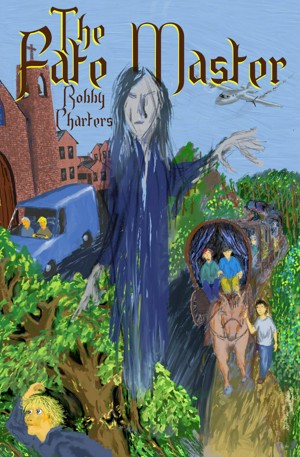
The Fate Master
by Robby Charters
Price:
$2.99 USD.
Words: 23,130.
Language:
English.
Published: December 4, 2022
by
Robby's eBook Formtting.
Categories:
Fiction » Alternative history, Fiction » Science fiction » Utopias & dystopias
Determinism versus Fee Will - In a world where what will be will be, the general advice is, “Be strong and embrace your fate: it’s all for the cosmic economy.” When Nicholas manages to sidestep his fate by doing the truly unexpected, strange things begin to happen. He enters a brave new world of the unpredictable and begins to view his destiny. But the Fate Master isn’t pleased.
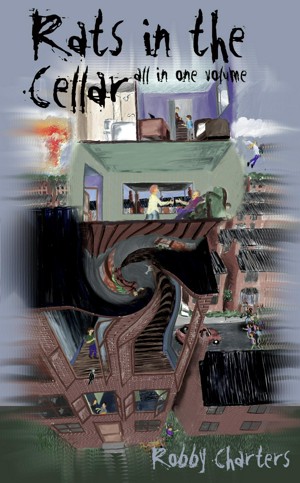
Rats in the Cellar: All in One Volume
by Robby Charters
Price:
$2.99 USD.
Words: 110,210.
Language:
British English.
Published: June 28, 2022
by
Robby's eBook Formtting.
Categories:
Fiction » Fantasy » Urban, Fiction » Children’s books » Dystopian
Because he went on the stairs he was told not to, Oscar is lost in the multiverse, just like other instances of himself. All he wants to do now is find a universe where his neighbourhood isn't likely to be nuked, where he's safe from his paedophile uncle, and has a loving and stable set of parents. He also wouldn't mind living as a twin to one of his other doubles. But the cat has bigger plans...
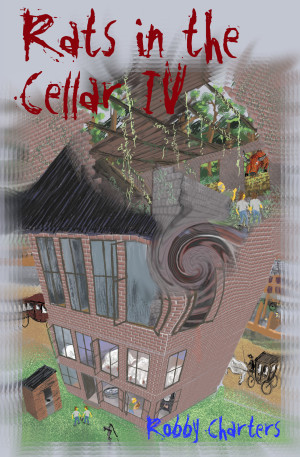
Rats in the Cellar IV
by Robby Charters
Price:
$2.99 USD.
Words: 33,680.
Language:
English.
Published: March 20, 2022
by
Robby's eBook Formtting.
Categories:
Fiction » Fantasy » Urban, Fiction » Science fiction » General
Dr McSporran appears from the distant past and asks Oscar (aka Justin) to help in shutting down the parallel worlds portal in the stairs. The unexpected happens. They are trapped in a different universe again with the portal shut off. Justin is doppled yet again, they take a detour to Victorian Britain where the twin Oscars are forced into child labour, and come face to face with Jack the Ripper
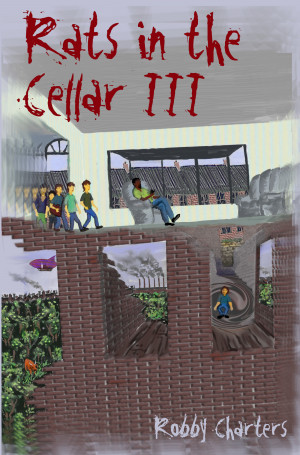
Rats in the Cellar III
by Robby Charters
Price:
$2.99 USD.
Words: 35,000.
Language:
English.
Published: October 17, 2021
by
Robby's eBook Formtting.
Categories:
Fiction » Science fiction » Utopias & dystopias, Fiction » Alternative history
Part 3 of the trilogy: the diary of a nuclear physicist stuck in the 18th century tells part of the story. Some unscrupulous time travellers have pre-empted the abolition movement, turning their universe into a dark world where human rights isn't even a concept. One instance of Oscar Wild Daugherty stumbles into that world, which leads to the whole group of them going in to make a difference
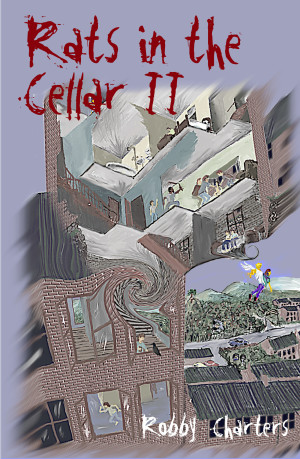
Rats in the Cellar II: Louis' Journey Home; Peter and the Lost Boys
by Robby Charters
Price:
$2.99 USD.
Words: 25,660.
Language:
English.
Published: June 12, 2021
by
Robby's eBook Formtting.
Categories:
Fiction » Science fiction » Utopias & dystopias, Fiction » Fantasy » Urban
Following the climax of Rats In The Cellar, the cat takes special interest in Louis, the bad boy. After making sure Louis makes up for some of his nastier pranks, he helps him find Blake, another instance of himself from yet another parallel universe, living in the street, a victim of his Pedophile uncle. The 2 go on a rescue mission to find a man lost in the multiverse. The 3 have more adventures
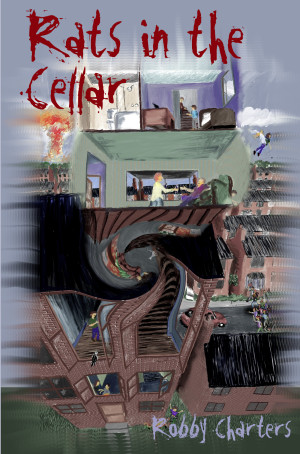
Rats in the Cellar
by Robby Charters
Price:
Free!
Words: 27,020.
Language:
English.
Published: April 14, 2021
by
Robby's eBook Formtting.
Categories:
Fiction » Alternative history, Fiction » Science fiction » Utopias & dystopias
By going into a forbidden part of his house, Oscar Wild Daugherty has become lost in a network of multiple universes. He really wants to get home. Now, his only friends are other copies of himself, also lost, and a cat who is obviously more than just a cat. It’s all the same house, but in different worlds, each slightly different. All of them are a dystopian nightmare of one sort or another.
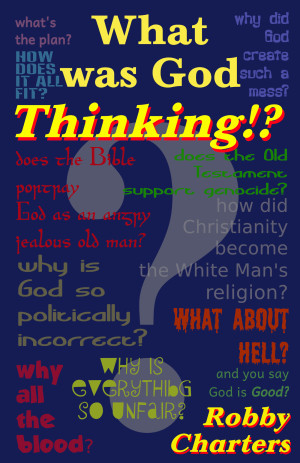
What was God Thinking?
by Robby Charters
Price:
Free!
Words: 27,630.
Language:
English.
Published: September 14, 2019
by
Robby's eBook Formtting.
Categories:
Nonfiction » Religion & Spirituality » Christian Theology / Apologetics, Nonfiction » Religion & Spirituality » Religious history
In this humble compilation, we try to explain things so the average atheist-on-the-street can grasp what Christians essentially believe; or, if you will, so the average person-in-the-pew can better explain it to to his atheist friends; or better yet, understand it him/herself. We steer away from many of the tired cliches, and we take a second look at what the Bible really says about some issues.
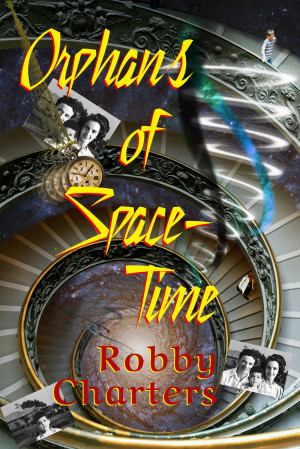
Orphans of Space-Time
by Robby Charters
Price:
$2.99 USD.
Words: 86,900.
Language:
English.
Published: December 13, 2018
by
Robby's eBook Formtting.
Categories:
Fiction » Science fiction » Short stories, Fiction » Alternative history
Drake can remember someone who should have been his best friend, had not a time traveller gone back and erased his existence. The more he searches the more he realises he’s on the trail of a dangerous assassin.
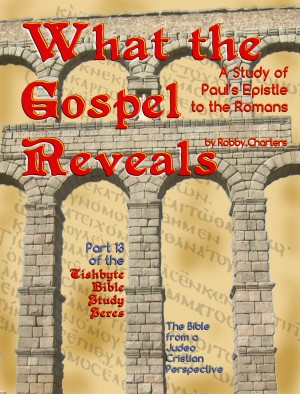
What the Gospel Reveals: A Study of Paul's Epistle to the Romans
by Robby Charters
Price:
$0.99 USD.
Words: 19,260.
Language:
English.
Published: February 6, 2015
by
Robby's eBook Formtting.
Categories:
Nonfiction » Religion & Spirituality » Biblical Studies / Bible Study Guides, Nonfiction » Religion & Spirituality » Biblical Studies / Paul’s Letters
Paul begins, "I am not ashamed of the Gospel, since it is power of God ... in it is revealed --" ... well, what is revealed in the Gospel? A study guide for Paul's Epistle to the Romans from a Judeo Christian Perspective
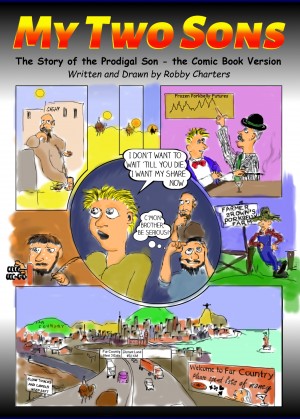
My Two Sons: The Story of the Prodigal Son -- the Comic Book Version
by Robby Charters
You set the price!
Words: 1,660.
Language:
English.
Published: August 11, 2014
by
Robby's eBook Formtting.
Categories:
Fiction » Graphic novels & comics » Religious, Fiction » Graphic novels & comics » Graphic novel
An amusing remix of a well known parable. The younger of two sons wants his share of the inheritance. He then goes off to Far Country, where he becomes a yuppy, living life in the fast lane, and investing in pork belly futures. Its the pork bellies that get him in the end.
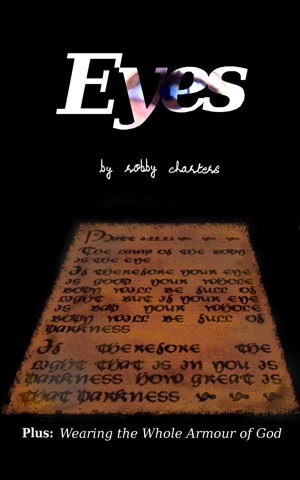
Eyes
by Robby Charters
You set the price!
Words: 34,130.
Language:
English.
Published: April 16, 2014
by
Robby's eBook Formtting.
Categories:
Nonfiction » Religion & Spirituality » Christian Life / Relationships, Nonfiction » Religion & Spirituality » Christian Life / Spiritual Warfare
Jesus said, "the lamp of the body is the eye". What did he mean? Knowing that it He was using a common Hebrew idiom, can open our understanding to a lot of things that are wrong with us today. Also included in this volume is a study on the armour of God: Protection is essential. Ephesians 6 gives us a list of spiritual armour that will protect us. But how do we make sure we're actually wearing it?
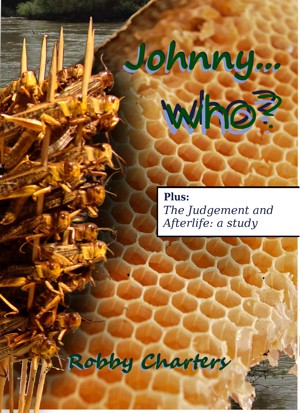
Johnny -- Who?
by Robby Charters
You set the price!
Words: 27,780.
Language:
English.
Published: April 16, 2014
by
Robby's eBook Formtting.
Categories:
Nonfiction » Religion & Spirituality » Biblical Studies / New Testament, Nonfiction » Religion & Spirituality » Christian Theology / Soteriology
Why was the coming of John the Baptist so important? What difference did he make? What does his message mean to us? Also included in this volume is a discussion of what the Bible says about the afterlife, and who, according to the Bible, is a candidate for hell. Does the Bible allow for other options? What about Purgatory? We don't give pat answers, but rather, a starting point for discussion.
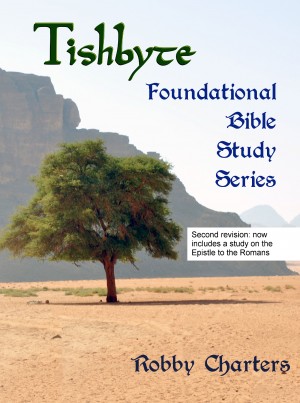
Tishbyte Foundational Bible Study Series
by Robby Charters
You set the price!
Words: 111,430.
Language:
English.
Published: April 3, 2014
by
Robby's eBook Formtting.
Categories:
Nonfiction » Religion & Spirituality » Biblical Studies / Bible Study Guides, Nonfiction » Religion & Spirituality » Messianic Judaism
A set of study outlines designed to lay a Biblical foundation beginning with the Old Testament, and moving right into the life and teaching of Jesus, the Messiah, His sacrifice, and the work of the Holy Spirit in the life of the Church.
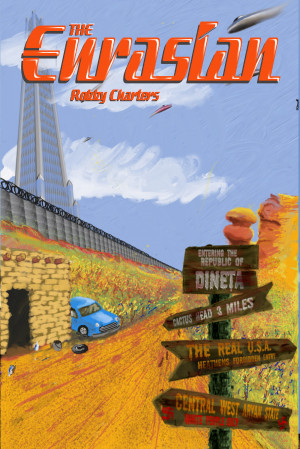
The Eurasian
by Robby Charters
Price:
$2.99 USD.
Words: 68,030.
Language:
English.
Published: August 9, 2012
by
Robby's eBook Formtting.
Categories:
Fiction » Science fiction » Utopias & dystopias, Fiction » Christian » Futuristic
(5.00 from 1 review)
How do you get home from a place that officially doesn't exist?
Mickey O'Brien is Eurasian. The virtual classroom was the perfect place to hide that fact from his fully Asian classmates. It turns out, they all had something to hide. On their class trip to America of the late 21st century, they find that the giant multinational corporations in control of everything, were also hiding something...
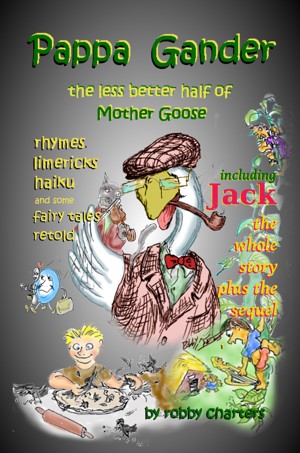
Pappa Gander: the Less Better Half of Mother Goose
by Robby Charters
Price:
$0.99 USD.
Words: 15,610.
Language:
English.
Published: September 24, 2011
by
Robby's eBook Formtting.
Categories:
Poetry » Contemporary Poetry, Fiction » Humor & comedy » Parody
Originally titled "Jack and the Beanstalk: the Whole Story plus the Sequel", now merged with "Pappa Gander", with better layout design and another story or two:
At long last, Pappa Gander gets a few words in edgewise. Read some of your old familiar nursery rhymes rewritten his way, plus a few other rhymes, limericks, some haiku, and stories, like his own rendition of Jack and the Beanstalk, etc..
Silent Comix
by Robby Charters
You set the price!
Words: 1,330.
Language:
English.
Published: September 24, 2011
by
Robby's eBook Formtting.
Categories:
Fiction » Anthologies » Graphic novels/comics/manga, Fiction » Graphic novels & comics » Comics
A series of feature length cartoons that can will amuse everyone including non-English speakers and illiterate people. Good for teaching English as a second language.
Volume one includes the Cornelius the Genius series (so far) -- the boy who secretly rigged his dad's car to fly.
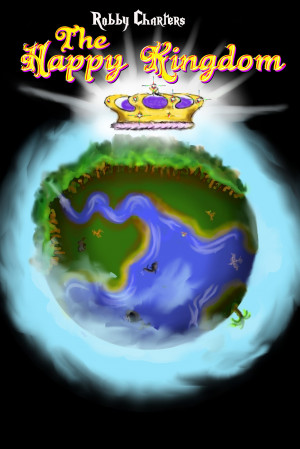
The Happy Kingdom
by Robby Charters
You set the price!
Words: 2,340.
Language:
English.
Published: August 9, 2011
by
Robby's eBook Formtting.
Categories:
Nonfiction » Religion & Spirituality » Christianity
A brief synopsis of the Bible in light of the Kingdom of God, in comic book format. What exactly is the Kingdom of God? How does one get in? This crash course in Theology draws from both Christian and Jewish sources. The Happy Kingdom grew out of Robby's desire to find a simple way to impart the basics of the Christian faith to people with absolutely no background in the Bible.
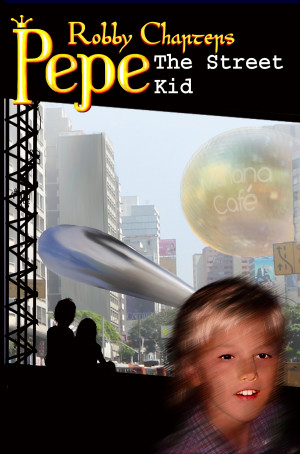
Pepe: The Street Kid
by Robby Charters
Price:
$2.99 USD.
Words: 67,710.
Language:
English.
Published: April 6, 2011
by
Robby's eBook Formtting.
Categories:
Fiction » Science fiction » Cyberpunk, Fiction » Young adult or teen » Science Fiction
(3.50 from 2 reviews)
In a world of flying magnetic trains & floating cafés he lives in a derelict construction site with his younger sister, cleaning windscreens at an intersection. He doesn't know who he really is. That fact could cost him his life–or it could be the key to the future of Cardovia where futuristic technology blesses only the rich, but the poor are left scraping. That high-tech power wants him dead
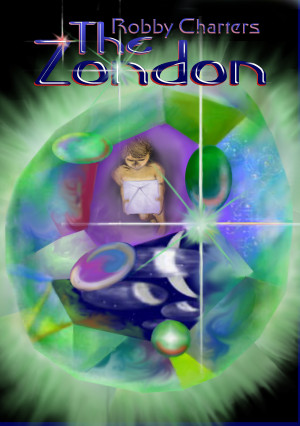
The Zondon
by Robby Charters
Price:
$2.99 USD.
Words: 112,810.
Language:
English.
Published: February 21, 2010
by
Robby's eBook Formtting.
Categories:
Fiction » Science fiction » Adventure, Fiction » Thriller & suspense » Supernatural
Ernie didn't mind the weird fantastic dreams at first, but he finds it disturbing when they suddenly begin to encroach on real life - and then real life begins to take a disturbing turn. But the ultimate twist: he discovers a glowing crystal in an archaeological site. From that crystal, he realises he's been on a mission since before birth...
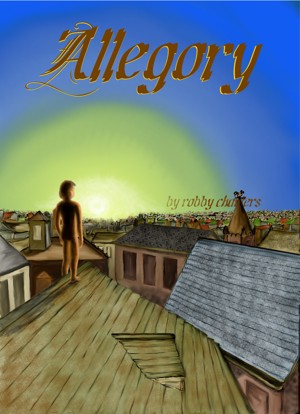
Allegory
by Robby Charters
Price:
$0.99 USD.
Words: 25,480.
Language:
English.
Published: January 17, 2010
by
Robby's eBook Formtting.
Categories:
Fiction » Christian » Classical & allegory, Fiction » Christian » Fantasy
(5.00 from 1 review)
"...If you've read and like/love C. S. Lewis's book "The Great Divorce", you'll enjoy this book..." -- from a reader's review
Imagine waking up in a strange pace. you have no memory of how you got there, nor who you are. one thing becomes increasing clear: this isn't the same world in which you went to sleep. it's ... ALLEGORY. It's about heaven and hell, and how they begin in the same place.
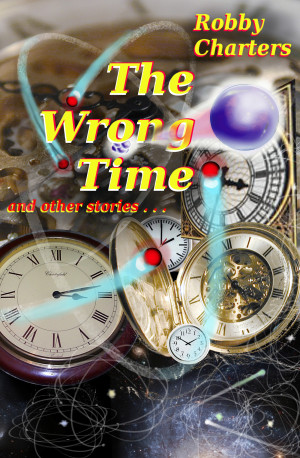
The Wrong Time: And Other Stories
by Robby Charters
Price:
$1.99 USD.
Words: 66,180.
Language:
English.
Published: January 17, 2010
by
Robby's eBook Formtting.
Categories:
Fiction » Science fiction » Short stories, Fiction » Science fiction » General
(4.00 from 1 review)
An anthology:
THE WRONG TIME is a novella in which Sean O'Riley gets lost in a maze of parallel universes;
*** A filmmaker of the future, using a new untested medium, gets tangled up in his story in THE FILMMAKER AND THE SCEPTRE;
*** Relativity works in mysterious ways in THE LAST SHALL BE FIRST;
*** Geoffrey literally finds himself, in the WRONG TRACK;
*** and a few pieces of "flash fiction"
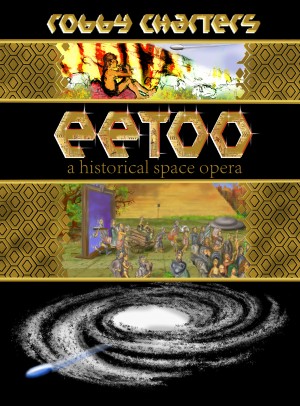
Eetoo
by Robby Charters
Price:
$2.99 USD.
Words: 107,810.
Language:
English.
Published: November 10, 2009
by
Robby's eBook Formtting.
Categories:
Fiction » Science fiction » Space opera, Fiction » Christian » Historical
(4.00 from 1 review)
His mission is to leave this planet and search for answers that can only be found on the planet of humanity's birth. But nobody he knows has ever seen a ship that can sail to the stars - the kind their forefathers arrived on.
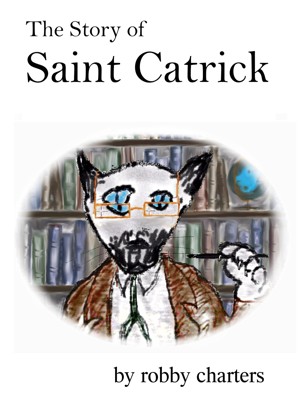
The Story of Saint Catrick
by Robby Charters
You set the price!
Words: 32,960.
Language:
English.
Published: July 22, 2009
by
Robby's eBook Formtting.
Categories:
Fiction » Fantasy » General, Fiction » Children’s books » Animals » General
Dr. Catrick is a professor at the Feline University in Catropolis. As a young cat, he had a life changing experience that set him on his mission in life, to proclaim that animal species can and should live in harmony. All the while, the rodents are rising up against cat rule. Catrick and his friends encounter political agendas, prejudices, and countless other reasons for not doing the obvious.
Robby Charters' tag cloud
abolition
adam and eve
afterlife
aliens
alternative history
alternative universe
alternative views
ancient egypt
animal stories fantasy ethnic reconciliation cats mice racial prejudice fiction robby charters humour
answers to critics
apologetcs
armour of god
basic christian teaching
being people centered
bible
bible study
bible survey
bible teaching
bible training
bibleparablesatirefutures marketprodigal sonjesushumour
biblical
black holes
cartoon
cartoons
cats
child labor
child labour
child slavery
christian
christianity and islam and judaism
christology
church history
comics
coming of age
conspiracies
corruption
creation
crime
crime drama
crucifiion
determinism
distopian
dystopian
dystopian adventure
emergent
english as a second language
esl
esl materials
even christians stumble and fall branch isole fellowship of believers spiritual christianity
evolution
faith
fantasy
fantasy scifi
feral child
flash fiction
foundational bible teaching
free will
ftl travel
futuristic
futuristic thriller
generosity
grimms fairy tales
haiku
heaven
hell
historical
homeless children
homeless street children
humility
humour
ice age
illustrated ebook
inner healing
international suspense thriller
international terrorism
jewish roots
jihad
john the baptist
judeo christian
judgement
kingdom of god
limerics
messianic jewish
messianic jewish theology
miracles
motives
multiverse
new testament
no text
novella
orphans
paedophiles
paralell universe
parallel universe
parallel universes
parallel world
parallel worlds
pergatory
pharisees
political correctness
post apocaliptic
purgatory
qm
quantum mechanics
questions about christianity
rats
relationships
relationships and christian living
religious
repentance
retold fairy tale
rhymes
robby charters
romans
saint paul
salvation
science fiction
scifi
short stories
singlish
space opera
study guide
surreal
surreal scifi
suspence
teaching material
technothriller
terrorists
theology
third world
time dilation
time travel
time warps
timeline
torah studies
travel
ufos
urban fantasy
utopian
victorian
weapons of mass destruction
ya
young adult